
September 18, 2026
Will Kremer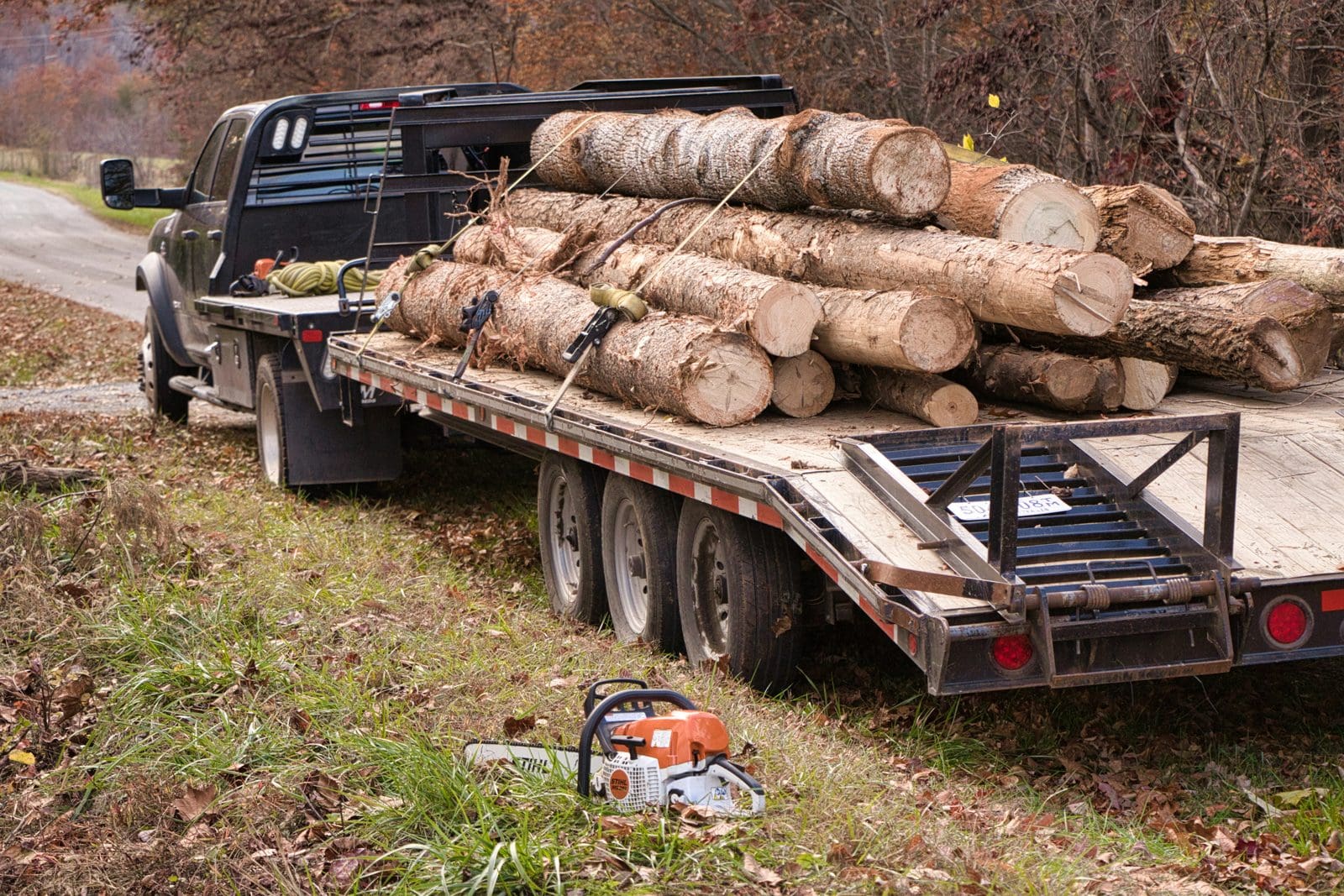
How to Start a Hotshot Business: The Steps, the Right Setup, and What Insurance Costs
By Will Kremer, Truck Insurance Agent · Last updated September 18, 2026
A hotshot is one of the fastest ways into trucking for yourself: a one-ton pickup, a trailer, your own authority, and freight that moves when a full semi would be overkill. We write new hotshot businesses every week, and the ones that get rolling fastest follow the same steps in the same order. This guide walks through how to start a hotshot business from the first filing to the first load, with the one decision most new owners don’t realize changes their insurance: the trailer hookup.
|
The short answer To start a hotshot business, form the company, get your USDOT and MC numbers, line up your truck, trailer and hookup type, check whether the combination needs a CDL, get commercial trucking insurance filed, then find freight. First-year insurance for a full package runs about $15,000 to $22,000 a year with a gooseneck and $8,000 to $16,000 with a bumper-pull trailer. |
|
Key takeaways
|
How to start a hotshot business in six steps
1. Form the company
Set up the business before anything else, which for most single-truck startups means an LLC with your state. The company is what registers with FMCSA and what holds the insurance policy, so it has to exist first. A simple business plan helps too: what you want to haul, how far, and which truck and trailer you’ll run. It doesn’t have to be exact. New businesses change, and good insurance markets expect that.
2. Get your USDOT and MC numbers
Hauling for-hire freight across state lines takes a USDOT number and MC operating authority from FMCSA. The USDOT number is free and fast. The MC application is $300, and the authority doesn’t go active until your insurance company files proof of coverage. Our guide on how to get your MC and DOT numbers walks through the registration itself.
3. Line up your truck, trailer and hookup type
This is where a hotshot start differs from a box truck. To quote you, an insurance company needs the truck, the trailer, and how the two connect. The typical first-year setup we write is a one-ton pickup pulling a gooseneck, because a gooseneck handles heavier loads and heavier loads are where the for-hire money is. Bumper-pull (ball-at-bumper) hotshots are out there too, usually running lighter loads and more local work.
The hookup matters because it changes the risk. A gooseneck or fifth wheel means heavier freight, so it’s rated higher, and it’s also the setup most for-hire trucking insurers are built around. Some insurers ask for photos of the truck bed to see whether a gooseneck hitch is installed. If it is, they may rate the truck for gooseneck use even if you plan to pull bumper, since the truck is capable of it. Decide on your setup before you call, and tell your agent exactly how you’ll run.
| Hookup | Cost |
|---|---|
| Ball-at-bumper | $665 to $1,335/mo ($8,000 to $16,000/yr) |
| Gooseneck or fifth wheel | $1,250 to $1,835/mo ($15,000 to $22,000/yr) |
4. Check whether your combination needs a CDL
Most hotshot operators run without a CDL. Under federal CDL rules, you need a Class A when the truck and trailer together are rated at 26,001 pounds or more and the trailer itself is rated over 10,000 pounds. Check the weight ratings on the truck’s door plate and the trailer’s VIN plate before you buy, because a slightly different trailer can put you on the other side of that line.
For insurance, non-CDL isn’t a penalty. Non-CDL hotshots aren’t surcharged. A CDL simply opens a few more markets after you’ve built a couple of clean years, which we cover in our hotshot insurance cost guide.
5. Get commercial trucking insurance and your filings
This is the step that switches the business on. With your DOT number, VIN, trailer, hookup and driver in hand, we can quote a new hotshot and bind it quickly. Once you bind, the insurance company files your liability with FMCSA and your authority goes active.
The mistake we see most: new owners assume the truck’s personal auto policy, from any of the big-name personal insurers, will cover them once they start hauling. It won’t. A personal policy doesn’t cover for-hire use. And it can’t be just any commercial auto policy, either. You need a commercial trucking policy that issues your federal and state filings, meets FMCSA requirements, and that brokers accept. Liability from one place and cargo bolted on from somewhere else doesn’t get you loaded.
A $750,000 liability-only policy is enough to activate the authority, but brokers will want $1 million in liability and $100,000 in cargo before they give you freight. Most new hotshots start with the full package in the table above. We know the markets that give hotshot startups their best rate, and with access to dozens of markets, we’ll find the option that meets your requirements without breaking the bank. Our new venture truck insurance page covers what first-year authorities pay across truck types.
6. Find freight
With the authority active and the certificate in hand, you can start booking loads from brokers and load boards. Expect every broker to ask for a certificate of insurance before the first load. We send certificates out in five minutes or less on average, so a broker setup never has to wait on your agent.
or call 855-281-2924 Have your DOT number, truck and trailer VINs, and hookup type ready. |
Lease on first, or run your own authority?
Plenty of hotshots start by leasing onto an established carrier and running under that carrier’s authority. It’s a real option. The carrier’s policy covers you while you’re under dispatch, and you carry non-trucking liability for the rest of the time.
We write non-trucking liability for leased-on hotshots. It costs more than it does on a tractor, about $2,000 to $4,000 a year for a $1 million limit versus roughly $500 to $750 on a semi, because a pickup gets used for personal driving far more often than a tractor does. When you’re ready for your own authority, the same steps above apply.
Why hotshot insurance is priced the way it is
People are often surprised that a smaller rig doesn’t mean a smaller premium. The reason is where a hotshot goes. A tractor-trailer spends most of its life on interstates and in areas right off them. A hotshot can go anywhere: into neighborhoods, job sites and dense city traffic full of passenger cars and pedestrians. That flexibility is why brokers love hotshots, and it’s also why insurers price them carefully.
The other big factor is time. A brand-new authority has no operating history for an insurer to price against, so the first year costs the most. Clean years bring it down, and the choices below are how you get there.
What first-year hotshots who make it to renewal do
- They treat it as a business truck. The hotshot is used for business only. Spouses, kids and friends don’t drive it, so the only people behind the wheel are the drivers on the policy.
- They stay ahead of maintenance. Tires, brakes and regular oil changes on schedule, not when something breaks.
- They get regular third-party inspections. An outside mechanic catches what a busy owner misses, and a clean roadside inspection record protects your safety scores.
- They call their agent early. Before adding a trailer, before signing a broker agreement with unusual requirements, and when something happens on the road, not weeks later.
Starting with a straight truck instead? Our guide on how to start a box truck business follows the same order with box-truck specifics.
Frequently asked questions
How much does it cost to start a hotshot business?
Beyond the truck and trailer, the biggest first-year cost is insurance: about $15,000 to $22,000 a year for a full package with a gooseneck, or $8,000 to $16,000 with a bumper-pull trailer, usually paid as a down payment plus monthly installments. The MC application is $300. Plan the launch around your insurance number and you’ll know what you actually need on day one.
What do I need to start a hotshot business?
A registered company, a USDOT number and MC authority, a truck and trailer with a known hookup type, a qualified driver, and a commercial trucking policy with filings. Once the insurance is filed, your authority goes active and you can start booking loads.
Do I need a CDL to start a hotshot business?
Usually not. A Class A CDL is required when the truck and trailer are rated at 26,001 pounds or more combined and the trailer is rated over 10,000 pounds. Most hotshot operators run under that line, and non-CDL hotshots aren’t surcharged on their insurance.
Can I start a hotshot business with a bumper-pull trailer?
Yes. Bumper-pull hotshots usually haul lighter loads and run more local work, and the insurance costs less, about $8,000 to $16,000 a year for a first-year full package. We have markets that write ball-at-bumper setups, so tell us your hookup when you call.
Can I use my personal truck insurance for hotshot loads?
No. A personal auto policy doesn’t cover for-hire hauling. You need a commercial trucking policy that files with FMCSA and meets broker requirements, and once you have it you’re ready to haul.
Should I lease onto a carrier before getting my own authority?
It’s a solid way to start. You run under the carrier’s authority and carry non-trucking liability for personal use, which runs about $2,000 to $4,000 a year on a hotshot. When you’re ready for your own authority, we can quote that too.
Ready to get your hotshot insured?
If you have your DOT number and your truck and trailer picked out, we can quote your hotshot the same day. Still a step or two back? Call anyway. Knowing your insurance number before you buy the trailer is the best planning you can do. The owner of this agency ran her own trucks before she wrote a single policy, and we still spend all day around the people who run them.
Get your hotshot quote → or call 855-281-2924 and talk to an agent who writes new hotshot businesses every week.
|
About the author Will Kremer, Truck Insurance Agent A truck insurance agent at Trucking Insurance Services since 2011, Will Kremer specializes in owner-operators, new ventures, and fleets, and helps truckers pick the coverage that fits how they actually run. |
Premium figures are estimates based on the new venture hotshot policies we place and current market rates, for general guidance only. Your actual premium depends on your state, record, equipment, hookup, radius, and limits. CDL thresholds are summarized from 49 CFR 383.91; confirm requirements at the source before relying on them. Get a quote for an exact number. Trucking Insurance Services LLC — 380 Dahlonega St #212, Cumming, GA 30040 — 855-281-2924
Categories: Blog, Trucking Insurance