
November 2, 2024
Will Kremer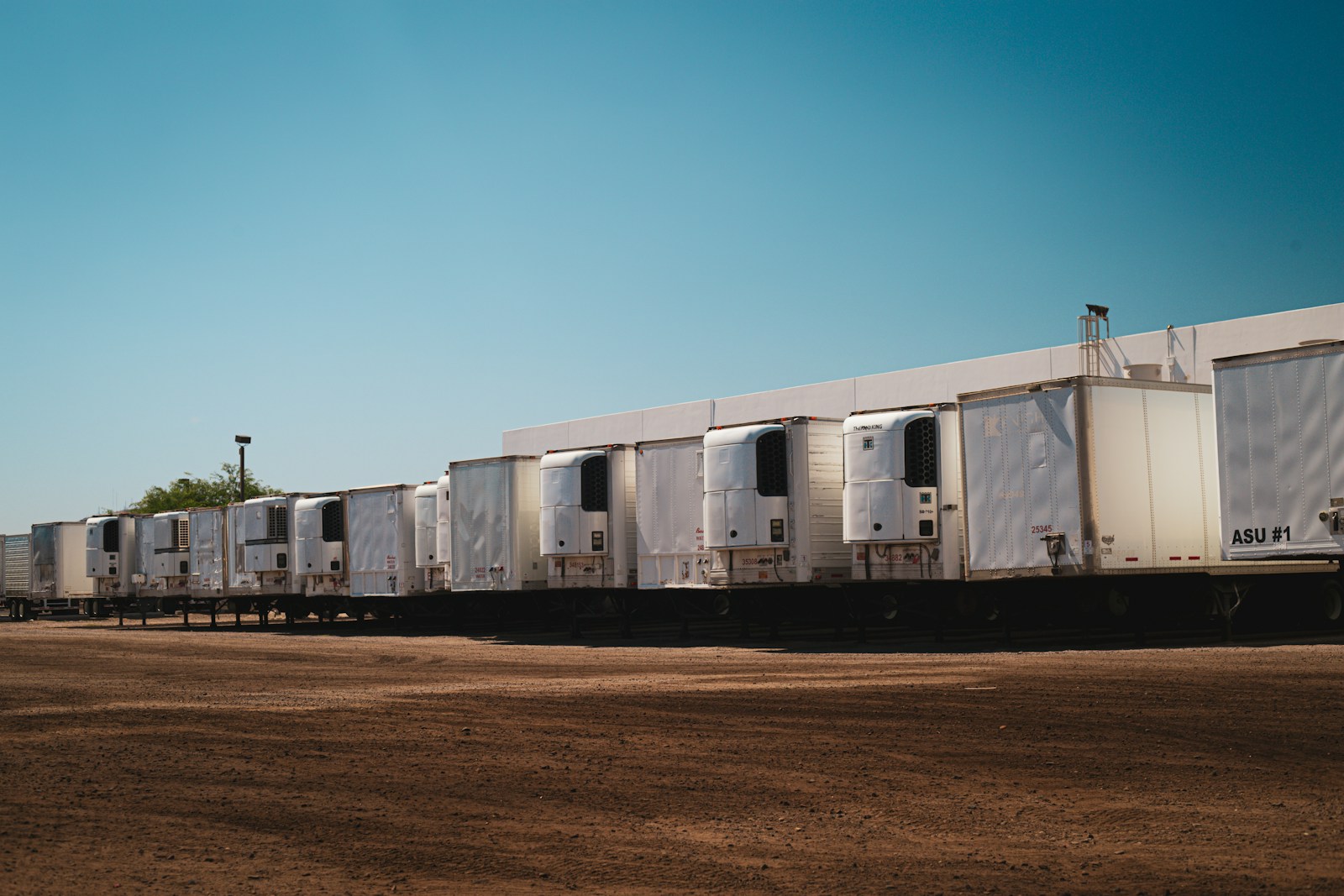
Reefer Breakdown Coverage: Guide for Truckers
Transporting temperature-sensitive cargo comes with unique challenges and risks that standard cargo insurance doesn’t cover. When your reefer unit fails, you’re not just dealing with mechanical repairs – you’re racing against time to prevent cargo loss that could cost thousands of dollars. That’s where reefer breakdown coverage becomes an essential part of your insurance portfolio.
At Trucking Insurance Services, we’ve helped countless refrigerated carriers protect their operations from the devastating financial impact of reefer malfunctions. With over 35 states served and partnerships with leading insurance carriers, we understand the critical nature of temperature-controlled transportation and the importance of comprehensive coverage for your refrigeration units.
Whether you’re hauling fresh produce, frozen foods, or temperature-controlled flowers or shrubs your customers trust you to maintain precise temperature control throughout transit. A single mechanical failure could jeopardize your cargo, your reputation, and your business relationships.
What is Reefer Breakdown Coverage?
Reefer breakdown coverage specifically protects against cargo loss or damage resulting from mechanical or electrical failure of your refrigeration unit. This specialized coverage goes beyond traditional cargo insurance by including losses from temperature fluctuations, fuel exhaustion, or system malfunctions. It’s designed to cover the value of your temperature-sensitive cargo when these failures occur, helping safeguard your business from substantial financial losses.
Who needs Reefer Breakdown?
Any carrier hauling temperature-controlled freight should seriously consider this coverage. This includes:
- Fresh produce transporters
- Frozen food carriers
- Pharmaceutical haulers
- Floral transportation companies
- Cross-country refrigerated carriers
- Regional reefer operations
Reefer Breakdown Exclusions
Most insurance carriers exclude losses resulting from pre-existing mechanical issues or inadequate maintenance of your refrigeration units. Driver errors, such as incorrect temperature settings or failing to maintain proper fuel levels, typically aren’t covered either. Your policy likely won’t protect against natural deterioration of cargo, even under optimal conditions, or damages caused by improper packaging and loading procedures. Understanding these exclusions helps you implement proper procedures and maintenance schedules to minimize uncovered losses.
Our experienced agents at Trucking Insurance Services can help you review policy exclusions in detail and develop risk management strategies to protect your temperature-sensitive cargo operations.
How to Buy Coverage
Reefer breakdown coverage is an endorsement added to your motor truck cargo policy. Finding the right cargo policy with reefer breakdown coverage starts with partnering with an experienced trucking insurance agency. At Trucking Insurance Services, we begin by understanding your specific operation, including:
- Types of temperature-sensitive cargo you haul
- Age and condition of your reefer units
- Operating radius and typical route conditions
- Current maintenance procedures
- Risk management practices
Our licensed agents will shop multiple insurance carriers to find the right coverage at competitive rates, ensuring your business stays protected without breaking the bank. You can request a quote by calling 855-281-2924 or submitting your information online.
Frequently Asked Questions
How much does Reefer Breakdown Coverage cost?
The cost varies based on several factors, including your cargo values, deductible choice, and coverage limits. Other considerations include your claims history, reefer unit age, and maintenance records. Our agents can help you find the right balance between coverage and cost.
Do all insurance companies offer coverage?
No, reefer breakdown coverage is a specialized product offered by select insurance carriers. As an independent agency with extensive carrier relationships, we can connect you with the best options for your specific needs and location.
Does trailer age matter?
Yes, the age and condition of your refrigeration units significantly impact both coverage availability and cost. Most carriers prefer units under 10 years old, though coverage may be available for well-maintained older equipment. Regular maintenance records and pre-trip inspection logs can help secure better rates. Learn more about DOT inspections and safety scores.
Ready to protect your temperature-sensitive cargo? Contact our experienced agents at 855-281-2924 to discuss your reefer breakdown coverage needs. We’ll help you find the right protection for your refrigerated transportation operation.
Categories: Blog