
June 14, 2026
Will Kremer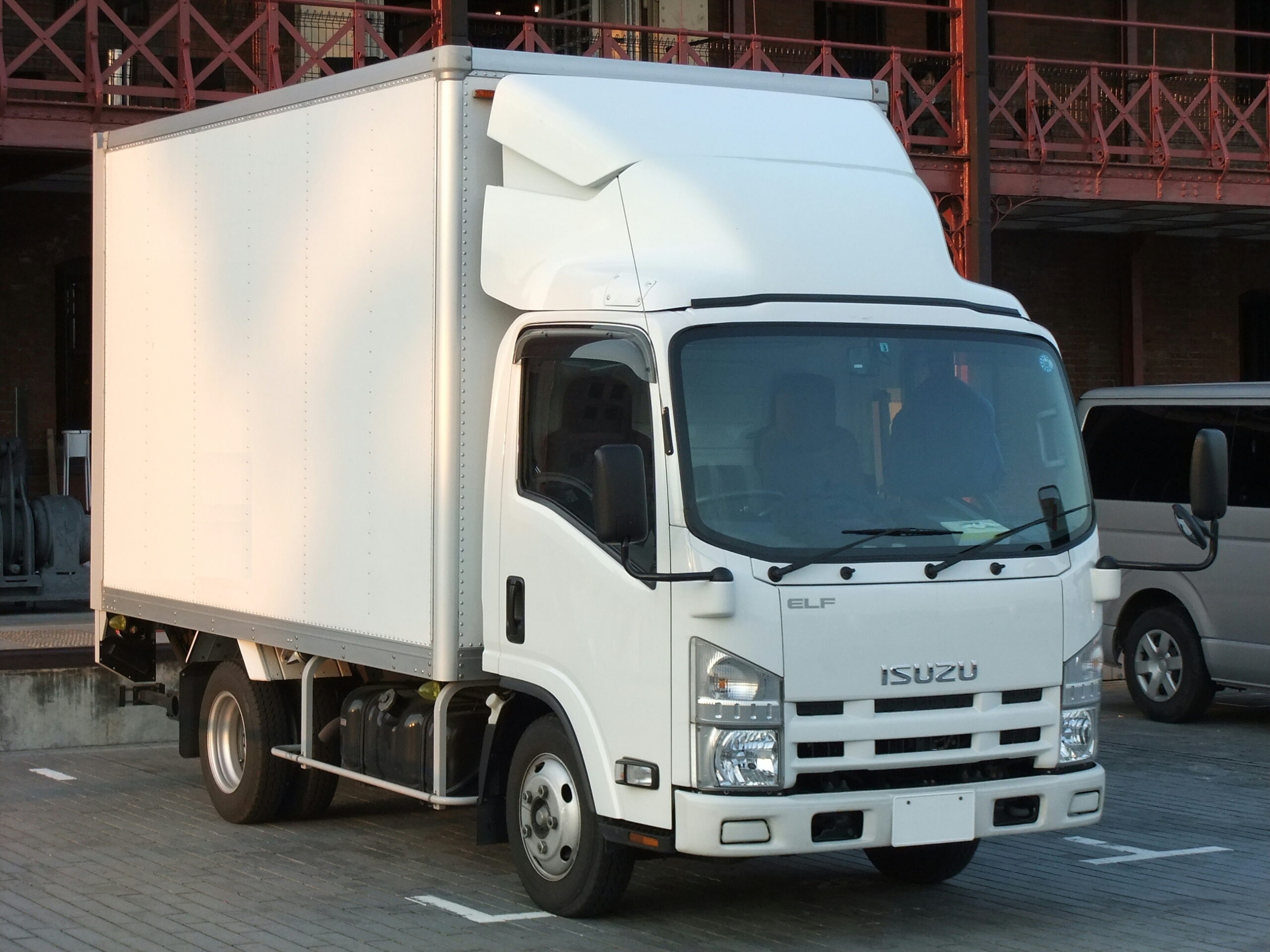
Non-CDL Box Truck Insurance: Cost, Coverage, and Requirements
You don’t need a commercial driver’s license to run a box truck, and that is exactly why so many people start a business with one. If your truck has a gross vehicle weight rating (GVWR) of 26,000 pounds or less, you can drive it without a CDL. What you do still need is the right insurance, and for most operators that is the biggest cost of getting on the road.
Here is what non-CDL box truck insurance costs in 2026, what coverage you actually need, and how to keep the price down. For the full coverage breakdown, see our box truck insurance page.
|
The short answer Non-CDL box truck insurance runs about $6,000 to $15,000 a year, or roughly $500 to $1,250 a month, for a single truck. A 26-foot box truck runs $7,500 to $17,000 a year. What you pay depends most on your operation: a local owner-operator pays far less than a brand-new authority running for-hire freight. |
How much does non-CDL box truck insurance cost?
For a single non-CDL box truck, expect $6,000 to $15,000 a year. The biggest factor is what you do with the truck. A local mover with a clean record sits at the low end; a first-year authority hauling broker freight sits at the top. These are the ranges we see on the box truck policies we place.
Box truck insurance cost by operation
| Operation | Per year | Per month |
|---|---|---|
| Local owner-operator, clean record | $7,500 to $12,000 | $625 to $1,000 |
| Moving company | $6,000 to $9,000 | $500 to $750 |
| Last-mile delivery (Amazon DSP and similar) | $9,000 to $15,000 | $750 to $1,250 |
| For-hire or broker freight (LTL, expedited) | $11,000 to $18,000 | $915 to $1,500 |
| Box truck on Amazon Relay | $11,000 to $18,000 | $915 to $1,500 |
| New authority, first year | $12,000 to $25,000 | $1,000 to $2,085 |
26-foot box truck insurance cost
The 26-foot box truck is the most popular non-CDL size, since it sits right under the 26,001-pound CDL line. A 26-foot box truck runs about $7,500 to $17,000 a year ($625 to $1,415 a month). It costs a little more than a smaller box truck because it carries more, weighs more, and does more damage in an accident.
What you’re paying for
Auto liability is the largest piece of your premium. The rest of the policy fills in around it:
- Physical damage is priced as a percentage of your truck’s value, usually 3% to 12%. A $40,000 box truck runs about $1,200 to $4,800 a year for physical damage.
- Motor truck cargo ($100,000 limit) runs about $800 to $1,500 a year.
- Truckers general liability runs about $500 to $1,200 a year.
What affects your box truck insurance cost
Two box trucks the same size can be quoted thousands of dollars apart. These are the factors that move the number:
- Your driving record and experience behind the wheel of a box truck.
- The value and age of the truck (it sets the physical damage cost).
- Where you run and how far (local stays cheaper than long radius).
- What you haul and for whom (broker freight and Amazon Relay cost more).
- Your coverage limits and deductibles.
- How long you have had authority. A new authority always pays more in year one.
Why is box truck insurance so expensive?
Box trucks cost more to insure than a car because they are heavy, they often run in busy cities and neighborhoods, and a loaded truck does a lot of damage in a crash. Auto liability has to cover that risk, and it makes up most of the premium. New operators pay the most because there is no driving history yet for an insurer to price against. The good news is that the price drops as you build a clean record.
What coverage do you need for a non-CDL box truck?
A complete non-CDL box truck policy is built from a few core coverages:
- Commercial auto liability covers bodily injury and property damage you cause to others. It is required, and it is what activates your authority if you run for-hire.
- Physical damage (collision and comprehensive) pays to repair or replace your own truck after a wreck, theft, or weather damage. Your lender will require it if the truck is financed.
- Motor truck cargo protects the goods you haul. Most brokers require it, even though it isn’t federally required for general freight. See our motor truck cargo page.
- Truckers general liability covers your business operations off the truck. Box trucks on Amazon Relay usually need it.
- Uninsured and underinsured motorist protects you when the other driver has little or no insurance.
Non-CDL box truck insurance requirements
Here is the part new operators miss: non-CDL doesn’t mean no rules. Skipping the CDL only means your truck is under 26,001 pounds. If you run for-hire across state lines, you still need a USDOT number, operating authority, and a filed insurance limit that meets FMCSA requirements, the same as any other carrier.
| How you run the box truck | Auto liability |
|---|---|
| Local or intrastate only | Your state minimum (often $750,000) |
| Interstate for-hire (most box truckers) | $750,000, filed with the FMCSA on a BMC-91 |
| On Amazon Relay | $1,000,000 plus $100,000 cargo |
Box trucks under 10,001 pounds fall under a lower $300,000 federal minimum, but most box trucks weigh more than that. When in doubt, ask your agent what limit your operation needs.
How to get cheaper non-CDL box truck insurance
Box truck insurance is a real expense, but you have levers to pull. The cheapest policy is rarely the best, so aim for the lowest price that still protects your truck and your business:
- Keep a clean MVR. A clean record is the single biggest discount over time.
- Take a higher deductible. Moving from a $1,000 to a $2,500 deductible lowers your premium, as long as you can cover it at claim time.
- Pay annually if you can. Paying in full usually beats financing the premium.
- Add a dashcam or telematics. Many carriers discount for them, and the footage protects you in a claim.
- Work with a trucking specialist. An agent who places box trucks every day can quote more carriers than a general agency. We broke down what box truck insurance really costs and how to lower it.
Do you need a CDL to drive a box truck?
No, not for most of them. A commercial driver’s license is tied to the truck’s gross vehicle weight rating, not to the length of the box. A single vehicle rated at 26,001 pounds or more needs a CDL. Below that rating, a regular driver’s license is enough.
|
The CDL rule Check the GVWR on the door sticker, not the size of the box. At 26,001 lbs or more you need a CDL. Below it you do not, unless the load is placarded hazmat. |
The classification comes from 49 CFR 383.91, which sorts commercial vehicles into three groups. A straight truck rated at or above 26,001 lbs is a Group B heavy straight vehicle and requires a CDL. A box truck rated below that falls outside both Group A and Group B.
This is why two 26 foot box trucks parked side by side can carry different licensing requirements. The box is the same size. The rating on the door is what decides.
The exception that catches people out
Weight is not the only trigger. The same regulation creates a third category, Group C, which pulls a vehicle back under the CDL requirement no matter how light it is when it is used to transport hazardous materials in quantities that require placards. A 16 foot box truck running placarded freight needs a CDL. Most guides to non-CDL box trucks never mention it.
No CDL does not mean no rules
This is the part that surprises new operators most. Dropping below the CDL line does not put you outside the federal safety regulations. Under 49 CFR 390.5, your truck counts as a commercial motor vehicle once it is rated at 10,001 pounds or more and you are running in interstate commerce. That threshold sits far below the CDL line, so a mid-size box truck lands in the gap: no CDL needed to drive it, but squarely inside the federal rules that come with operating a commercial motor vehicle.
It is the same gap that catches people on insurance. Not needing a CDL does not mean a personal auto policy will cover the truck, because it will not.
Frequently asked questions
How much is non-CDL box truck insurance?
About $6,000 to $15,000 a year, or $500 to $1,250 a month, for a single truck. The exact price depends most on your operation: a local owner-operator pays the least, while a new authority hauling broker freight pays the most.
How much is insurance for a 26-foot box truck?
A 26-foot box truck runs about $7,500 to $17,000 a year, or $625 to $1,415 a month. It costs a bit more than a smaller box truck because it carries and weighs more.
How much is box truck insurance per month?
For a non-CDL box truck, plan on about $500 to $1,250 a month. A first-year authority or an Amazon Relay operation lands at the higher end, while an established local operator lands at the lower end.
Do I need a CDL or FMCSA authority to run a box truck?
You do not need a CDL for a box truck under 26,001 pounds. You may still need FMCSA authority, though. If you run for-hire across state lines, you need a USDOT number, operating authority, and $750,000 in auto liability filed on a BMC-91, even without a CDL.
What insurance do I need for a box truck business?
At a minimum, commercial auto liability. Most box truck businesses also carry physical damage (required by your lender), motor truck cargo (required by most brokers), and truckers general liability. Run for-hire interstate and your liability has to be filed with the FMCSA.
How can I get cheaper box truck insurance?
Keep a clean driving record, take a higher deductible, pay annually instead of financing, add a dashcam, and work with an agent who specializes in trucking. A specialist can shop more carriers and find the lowest rate that still covers you.
Get a non-CDL box truck insurance quote
We place box truck coverage every day, for everything from a single local mover to a new authority on Amazon Relay. Tell us about your truck and we’ll quote a policy that fits your operation and your budget.
Get your free quote → or call 855-281-2924 to talk with a licensed agent today.
Written by Will Kremer, licensed P&C insurance agent. Reviewed June 2026. Figures are estimates based on the box truck policies we place and current market rates; they are for general guidance only. Your actual premium depends on your record, equipment, radius, cargo, and limits. Get a quote for an exact number.
Categories: Blog