
July 14, 2026
Agency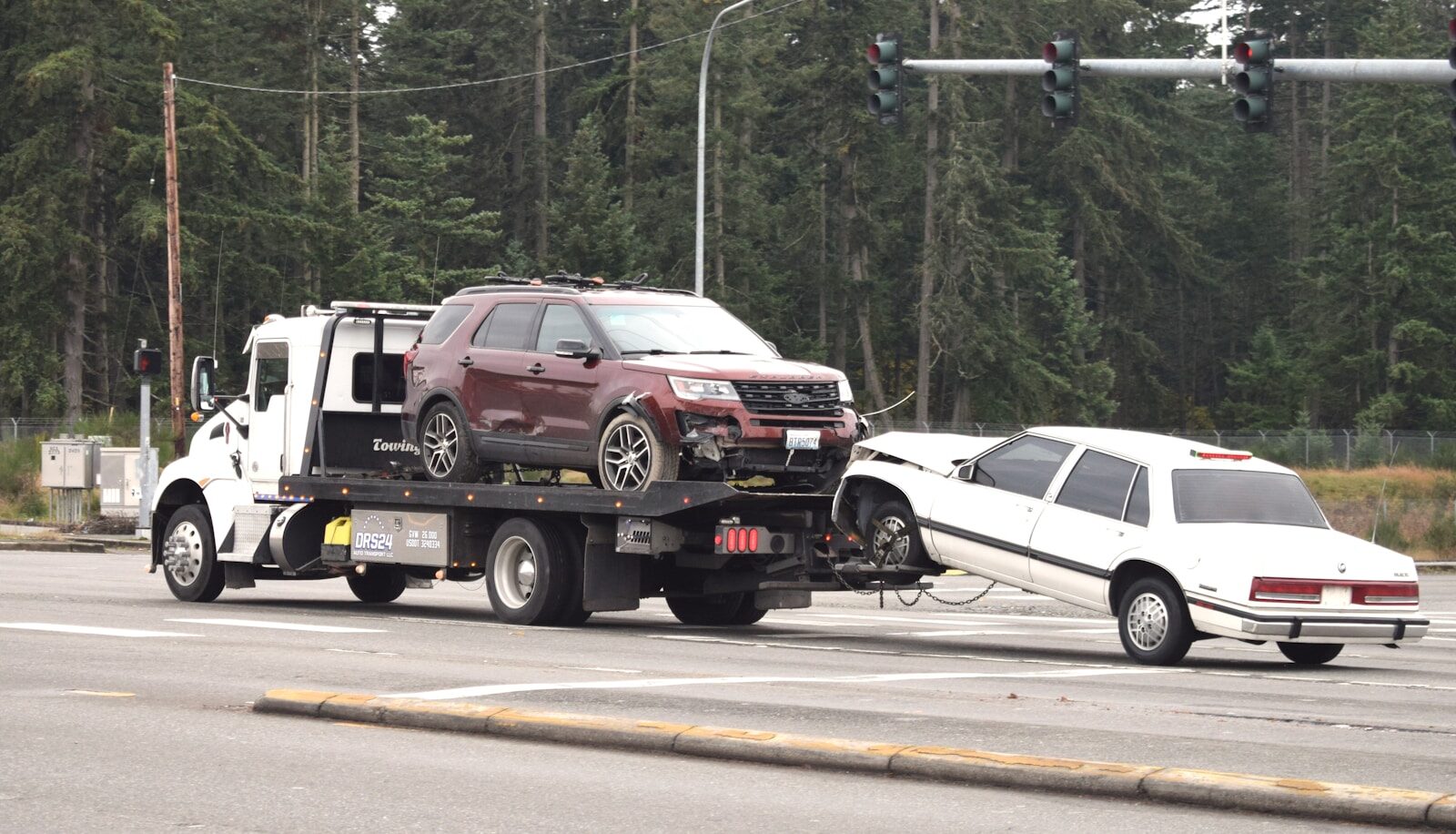
On-hook Coverage in Tow Truck Insurance Explained
If you operate a towing business, you already know that your liability does not end when a vehicle gets loaded onto your truck. On-hook coverage can provide financial protection that follows vehicles you tow until they are safely delivered. Understanding how it works is a key part of running a well-covered towing operation.
What Is On-hook Coverage?
On-hook coverage financially protects vehicles in your care while they are being towed. If a customer’s car is damaged by fire, collision, theft or vandalism while attached to your truck, this coverage may help pay for repairs or replacement. Without it, those costs may fall entirely on your business.
What It Typically Covers
While policy terms vary, on-hook coverage commonly applies to vehicles damaged by:
- Collision involving your tow truck
- Fire or explosion during transport
- Theft of the vehicle while in your possession
- Vandalism while the vehicle is in your care
- Windstorm or hail damage in transit
How It Fits Into Your Insurance Package
On-hook coverage is a type of coverage within a broader tow truck insurance package. It is typically retained through a commercial auto insurance endorsement. Your insurance should also typically cover physical damage to your own trucks and garage keepers liability coverage, depending on your operations. Additional policies, such as workers’ compensation and commercial property, may also be necessary. Each piece works together to address the range of risks towing businesses face every day.
Getting the Right Coverage for Your Operation
Every towing business is different. Fleet size, the types of vehicles you haul and your service area all affect the coverage structure that makes sense for you. Our team can help you evaluate your exposures and build a policy that fits your business.
Contact Trucking Insurance Services LLC today to review your tow truck insurance options and make sure your coverage keeps up with your operations.
This blog is intended for informational and educational use only. It is not exhaustive and should not be construed as legal advice. Please contact your insurance professional for further information.
Categories: Blog, Commercial Truck, Trucking, Trucking Insurance